Targeting mitochondria for therapeutic breakthroughs
Pioneering research at the intersection of mitochondrial biology, redox chemistry, and drug discovery — with the goal of developing novel therapies for cardiovascular disease, stroke, and organ transplantation.
Scroll
About the Lab
Understanding mitochondria in health and disease
The Prag Lab at the University of Manchester is dedicated to pioneering research in mitochondrial biology and pharmacology. We focus on understanding how mitochondria function in health and disease, including cardiovascular disease, neurodegenerative disorders, and cancer, and harness this knowledge to develop novel therapeutics.
Based in the Stopford Building within the Division of Pharmacy and Optometry, our group combines cutting-edge biochemistry with pharmacological expertise to identify and validate new therapeutic targets in mitochondrial metabolism.
We are always looking for outstanding researchers with enthusiasm for mitochondrial biology. Join us →
Faculty of Biology, Medicine & Health University of Manchester
Our Science
Research highlights
Our research programmes explore how mitochondria contribute to disease and can be targeted for therapy.
01 / Research
Preventing Ischaemia/Reperfusion Injury
Developing mitochondria-targeted strategies to limit tissue damage during heart attack, stroke, and organ transplantation.
Learn more
02 / Research
Mitochondrial Metabolite Signalling
Uncovering how TCA-cycle metabolites act as intercellular signals and their roles in disease pathogenesis.
Learn more
03 / Research
Mitochondrial Drug Delivery
Engineering TPP-conjugated probes and therapeutics that selectively accumulate in mitochondria for targeted treatment.
Learn more
Principal Investigator
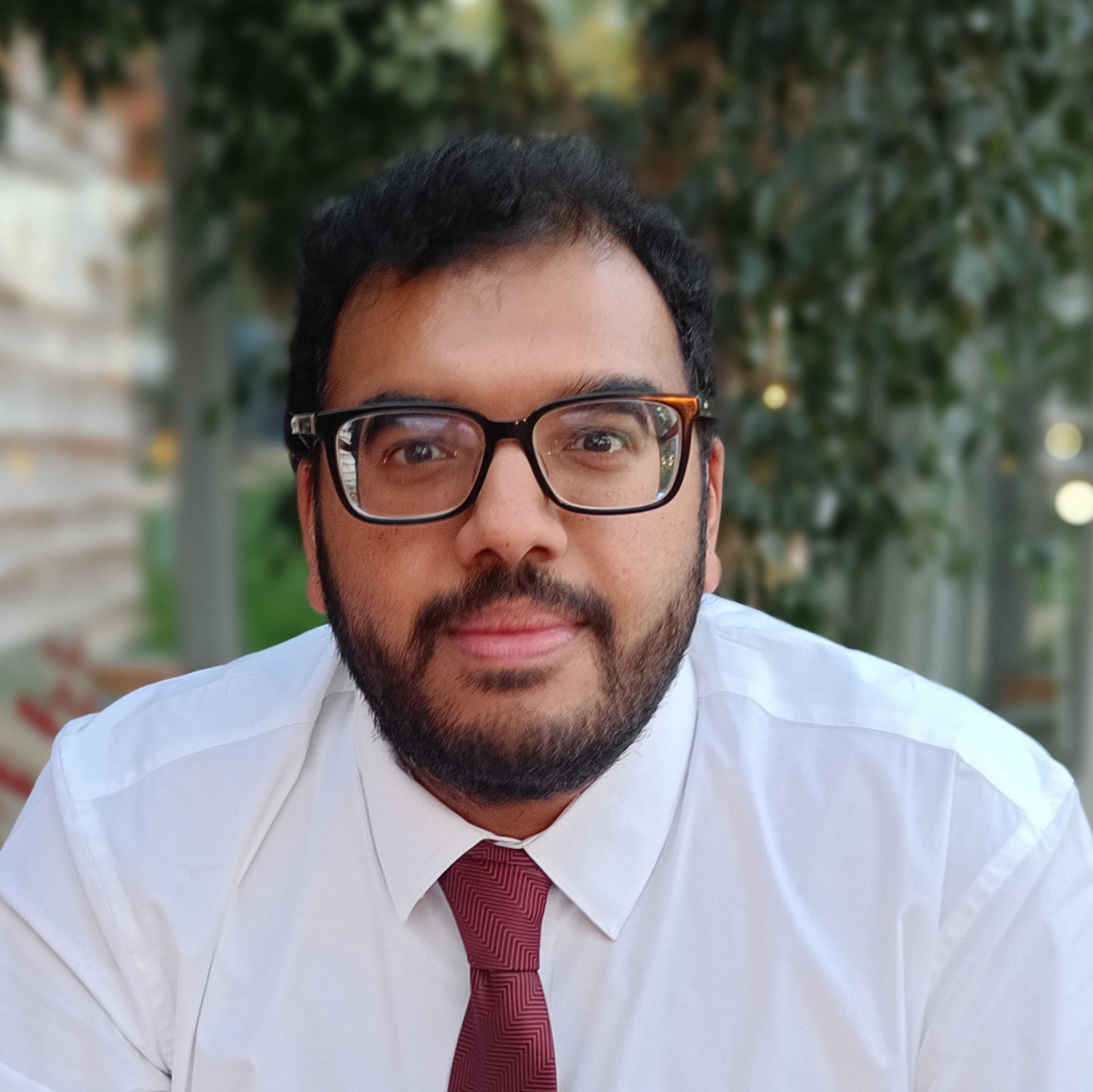
Dr Hiran A. Prag
Lecturer in Clinical Pharmaceutical Science, University of Manchester
Our Science
Research
Our programmes explore mitochondrial biology at the interface of disease mechanisms and therapeutic intervention.
01
Preventing Ischaemia / Reperfusion Injury
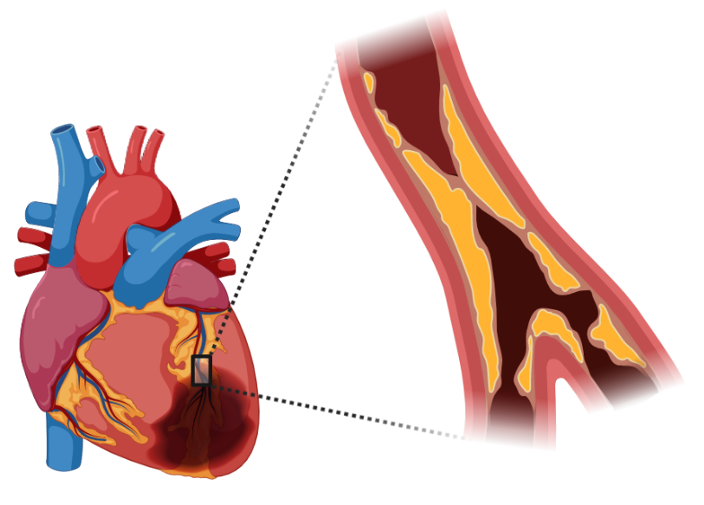
When blood flow to an organ is disrupted (ischaemia), such as during a heart attack, stroke or organ transplantation, rapid restoration of blood flow (reperfusion) is essential to minimise cell death. However, even though reperfusion is essential to salvage cells, the restoration of blood flow paradoxically causes further tissue injury.
This ischaemia/reperfusion (IR) injury greatly exacerbates tissue damage, and therapeutic approaches to minimise IR injury are urgently required. We aim to understand the pathophysiology of IR injury in a range of clinically relevant models. By uncovering the mechanisms of damage involved, we have developed rational approaches to target mitochondria, thereby preventing IR injury in vivo.
02
Mitochondrial Metabolite Signalling
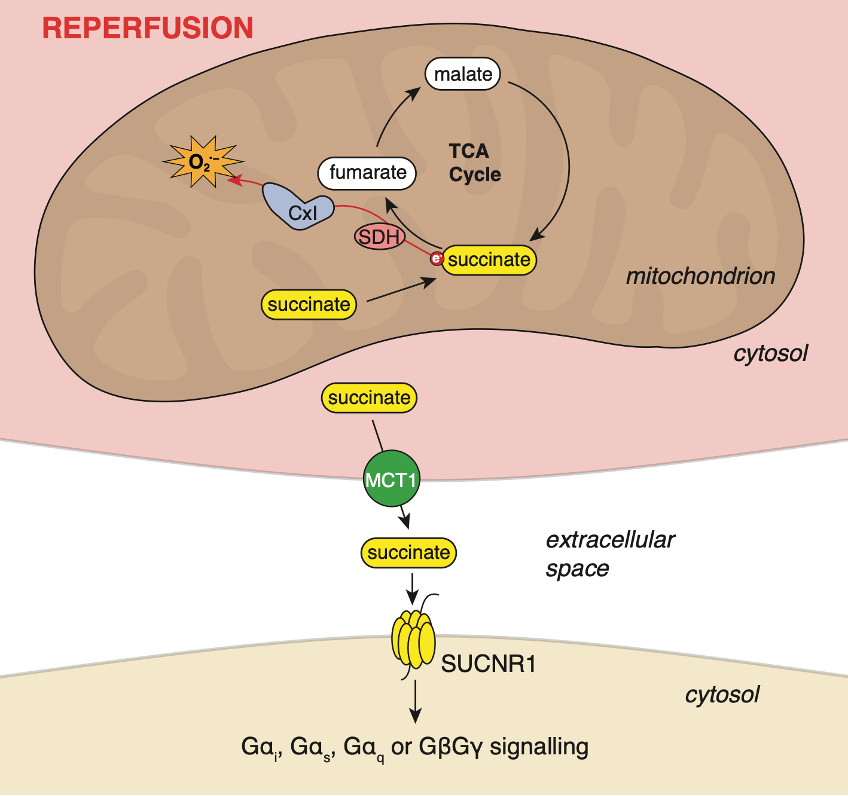
Mitochondria are more than just powerhouses of the cell — they are key synthesisers of signalling molecules, capable of communicating between cellular compartments. Much of our knowledge of mitochondrial signalling is limited to energetic and redox balance, with a particular focus on reactive oxygen species as intracellular signals.
Recently, the idea that mitochondrial metabolites derived from the tricarboxylic acid (TCA) cycle can act as signalling molecules is gaining traction. While the transport of mitochondrial metabolites from mitochondria to other intracellular compartments is well defined, the intercellular signalling of these molecules is poorly understood. Understanding how mitochondrial metabolites exit or enter cells and influence cellular function may reveal their roles in disease.
03
Mitochondrial Drug Delivery
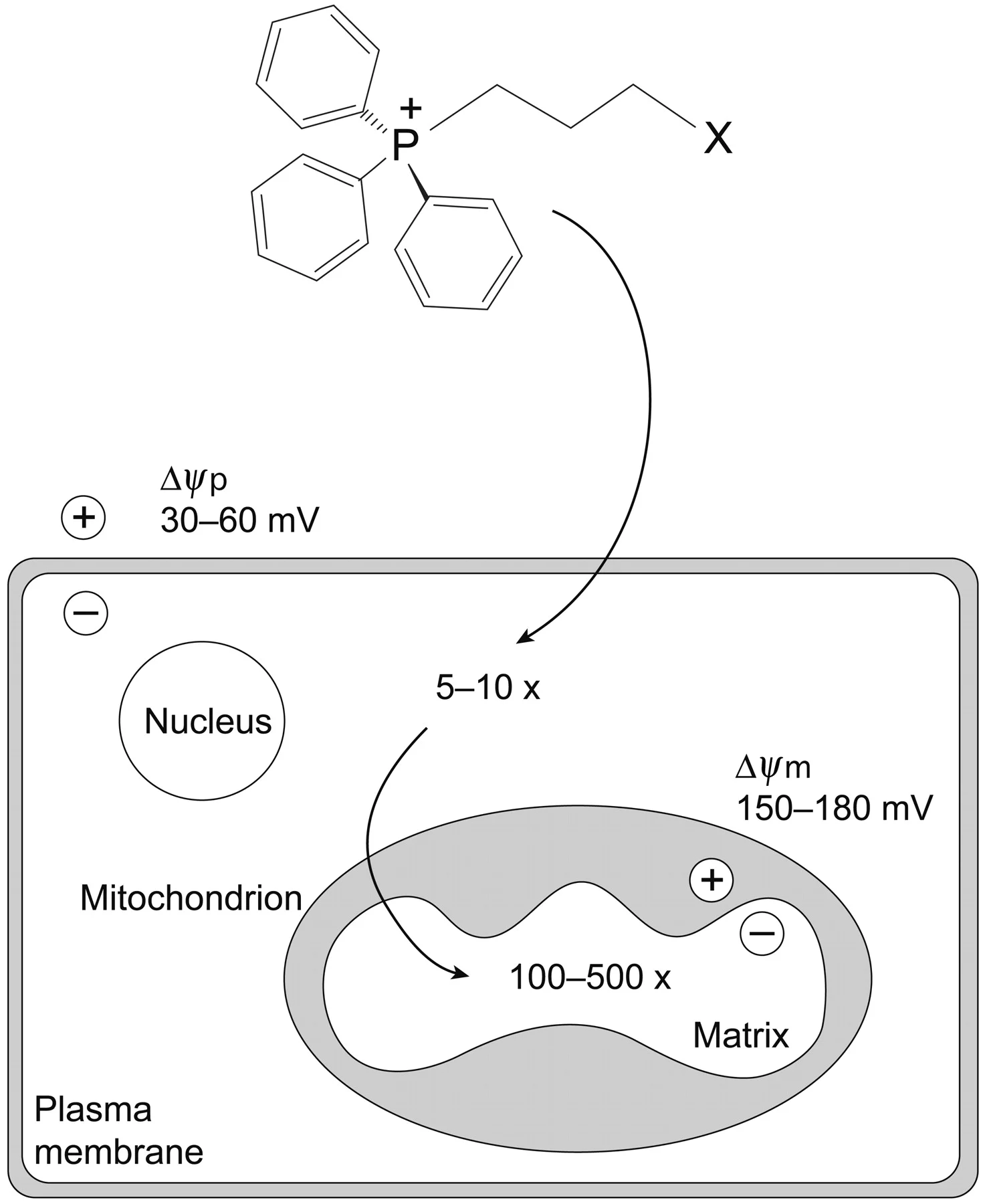
There is considerable interest in targeting molecules selectively to mitochondria. A common approach uses the lipophilic triphenylphosphonium (TPP) cation, which is membrane-permeable and drives selective mitochondrial accumulation of attached moieties in cells and in vivo.
TPP cations achieve >100–1,000-fold accumulation within mitochondria due to their mitochondrial membrane potential-dependent uptake. This approach has been used extensively to deliver a range of probe and drug molecules to mitochondria, providing new insights into mitochondrial biology and potential therapies. We use mitochondria-targeted approaches to develop new probes and therapies to better understand the role of mitochondria in disease and to develop selective, targeted treatments.
Scholarly Output
Publications
Fetched live from PubMed. Prag HA is highlighted in each author list.
Loading publications from PubMed…
No publications match your search.
The Team
People
Lab Members
Our researchers
Hiran A. Prag MPharm(Hons), PhD
Principal Investigator · Lecturer in Clinical Pharmaceutical Science
Hiran studied Pharmacy at the University of Nottingham, where he became fascinated by the intricate molecular pathways linking metabolic dysfunction to disease progression. His experience in the pharmaceutical industry and hospital pharmacy drove his interest in applying scientific research to develop therapeutic interventions.
He completed his PhD under Professor Mike Murphy at the MRC Mitochondrial Biology Unit, University of Cambridge, developing novel inhibitors of the mitochondrial enzyme succinate dehydrogenase — a key player in cellular energy production and multiple diseases.
During his PhD he became interested in translating his work for treating ischaemia/reperfusion injury during heart attacks and inflammation. He undertook postdoctoral research at Cambridge with Professor Thomas Krieg, developing a novel therapeutic approach that has shown efficacy in pre-clinical models of heart attack, ischaemic stroke, and organ transplantation. In January 2025, he joined the University of Manchester as Lecturer to lead the Prag Lab.
We are actively recruiting enthusiastic researchers at all levels. View opportunities →
Extended Network
Collaborators
We work with outstanding groups across the UK and beyond.
Mike Harte
University of Manchester
Akhil Jain
University of Manchester
Zeeshan Ahmad
University of Manchester
Christos Tapeinos
University of Manchester
Mike Murphy
MRC Mitochondrial Biology Unit, University of Cambridge
Thomas Krieg
University of Cambridge
Ana Vujic
University of Cambridge
Dunja Aksentijevic
Queen Mary University of London
Join the Lab
Opportunities
Open Positions
Passionate about mitochondrial biology?
We are always looking for outstanding researchers with an enthusiasm for mitochondrial biology and pharmacology. Positions are available at multiple levels — from undergraduate and masters projects through to PhD studentships and postdoctoral research.
If you are interested in our research and would like to discuss potential opportunities, please get in touch with Hiran directly. Speculative applications from motivated individuals are very welcome.
Fetched live from FindAPhD — updated each time you visit this page.
Loading opportunities from FindAPhD…
Listings sourced from FindAPhD. Click any listing to view full details on FindAPhD.com.
Why Manchester?
A world-class environment
The University of Manchester is consistently ranked among the world's top universities and is home to a vibrant biomedical research community. Our lab is embedded in the Faculty of Biology, Medicine and Health, with access to state-of-the-art facilities and a collaborative, interdisciplinary culture.
Get in Touch
Contact Us
Address
Hiran A. Prag
Division of Pharmacy and Optometry
Faculty of Biology, Medicine and Health
University of Manchester
Oxford Road, Manchester M13 9PT
United Kingdom